

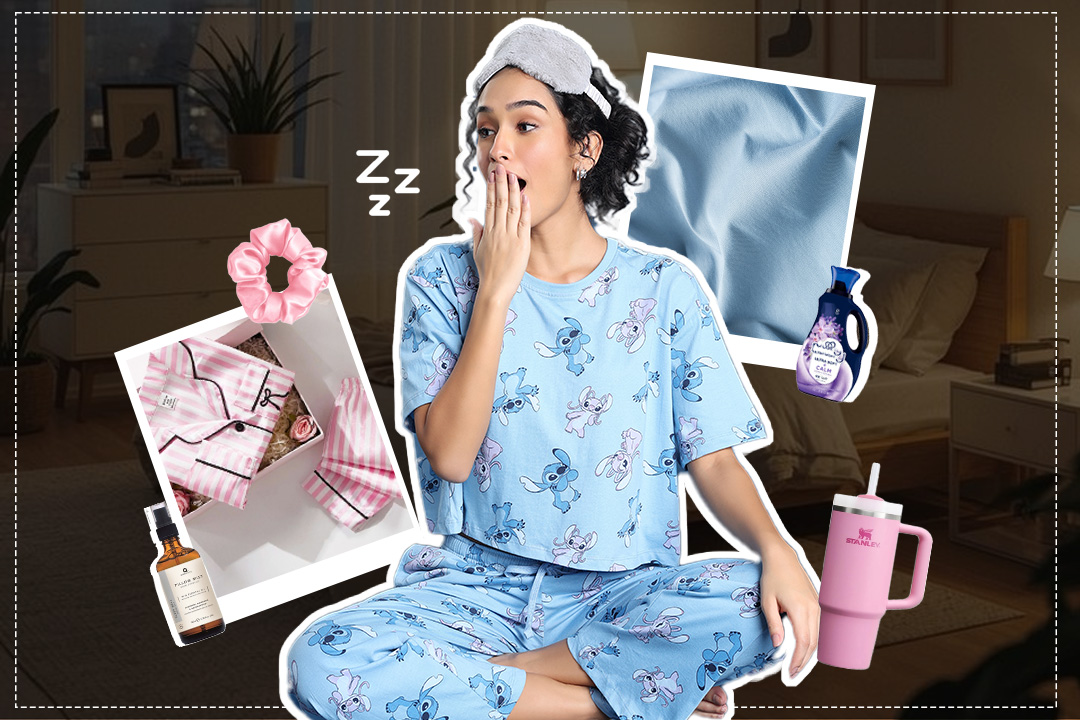
You’ve cut out the 4 PM coffee and sugar post 6PM. You’ve bought the expensive memory foam pillow. You’ve even tried magnesium gummies. So why are you still waking up at 3 AM feeling like you’ve run a marathon? The truth is simple.
Your skin is your largest sensory organ. If it’s not comfortable, your brain isn’t resting. Oftentimes you’ve blamed it on being a “poor” sleeper. The truth is, if you haven’t considered the impact of sleepwear on sleep, you’re likely leaving 20% of your recovery on the table. Here is why your choice of clothing is the trending secret to deep REM cycles.
What You Wear to Bed Actually Matters
Your pajamas are all about comfort because they directly influence sleep quality. Nightwear fabrics that promote better sleep and relaxation, like moisture-wicking bamboo or modal, regulate temperature and reduce night sweats, key for uninterrupted rest. Harsh synthetics trap heat, spiking cortisol and fragmenting sleep cycles.
In India’s heavy humidity, the impact of sleepwear on sleep is even more dramatic. Choosing breathable options helps your blood circulate better, helping you drift off minutes faster than you would in a heavy, heat-trapping oversized tee.
When to Choose Cotton and When to Go Satin?
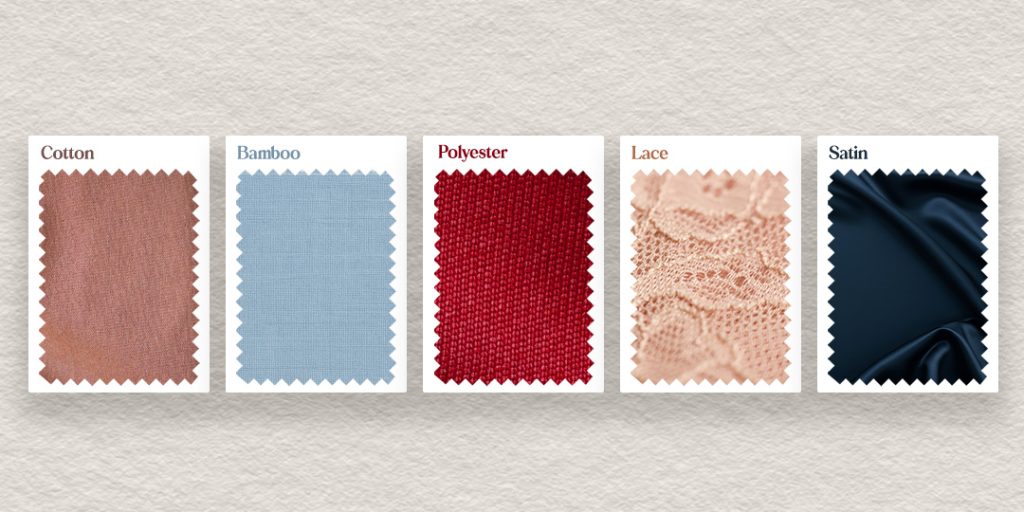
The debate isn’t about which is “better,” but which is better for you.
Cotton: The undisputed king of breathability. It’s ideal for those with sensitive skin or those living in high-humidity areas. However, as noted by sleep hygiene experts at the Sleep Foundation, if you sweat heavily, it stays damp and sits heavy against the skin.
Satin (Silk/Polyester blends): Satin thrives in temperature regulation and friction reduction. If you toss and turn, satin allows you to glide across sheets without waking up from “fabric snag.”
When looking for affordable nightwear options that help improve sleep quality, cotton is your budget-friendly workhorse, while satin is a functional luxury for temperature-sensitive sleepers.
How the Right Fit Changed REM Sleep
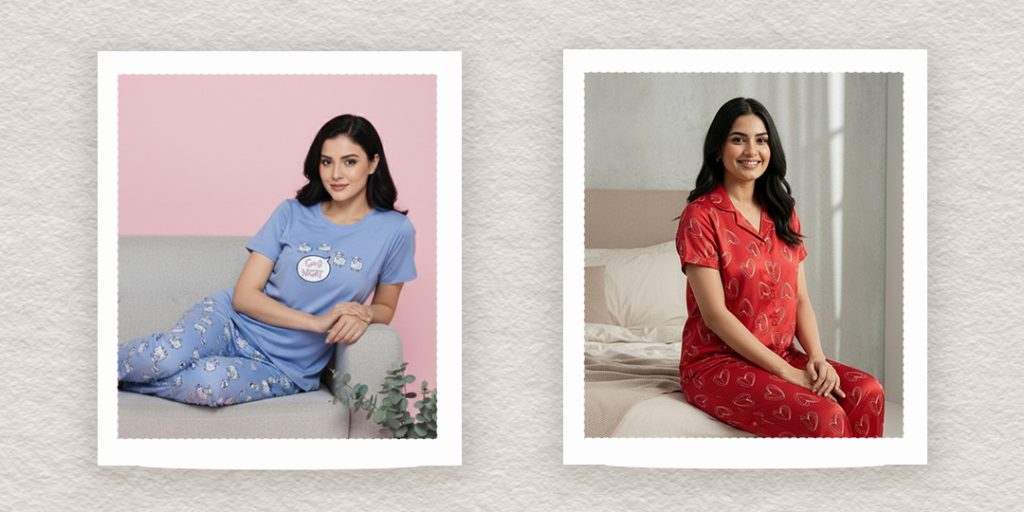
Restrictive clothes squeeze your blood flow, and your brain’s “dream factory” suffers. Reviews of nightwear designed to improve sleep quality in India show a massive move toward “flowy“ silhouettes – think kaftans and wide-leg pajamas.
Poor sleepers had REM sleep latency of about 88 minutes in wool versus 111 minutes in polyester, allowing faster entry into restorative REM stages. Wool reduced sleep fragmentation and wake time after onset more effectively than cotton or polyester under warm conditions (30°C), promoting overall deeper rest.
Naked vs. Nightwear: The Data Speaks

While sleeping nude is liberating to some, nightwear options that help improve sleep quality perform better by wicking away sweat. In fact, clinical trials on bedding and clothing confirm that covered sleepers report 30% less wakefulness – meaning 30% shorter total time spent awake after initially falling asleep during the night. Ultimately, the impact of sleepwear on sleep favors strategic coverage over nothing at all.
What Works Abroad Fails Here
Those heavy fleece “sleep sacks” that thrive in US winters are a recipe for a nightmare in India. Our muggy monsoons demand breathable nightwear that enhances sleep comfort. Instead of the bulky materials found overseas, lightweight fabrics like Lyocell are much better suited for high humidity, keeping you cool and comfortable.
Is Sleepwear the Missing Sleep Hack?
The impact of sleepwear on sleep is no longer a niche theory; it’s a lifestyle standard. Sleep optimisation is trending – from sleep trackers to magnesium gummies. But the impact of sleepwear on sleep is one of the simplest upgrades people overlook.
The right fabric regulates temperature.
The right fit reduces interruptions.
The right choice adapts to climate.
As more people search for better sleep solutions, nightwear is quietly becoming part of the conversation. If you’ve been investing in everything except what you actually wear to bed, now you know what might be holding you back.

Team Zivame

Your mental wellness is as important as your physical health if not more. Therefore, making sure tha

Diwali is almost here, and so is the madness of taash parties, endless mithai binges, and surprise f

Sleep is the time for body and brain to rest and reset. Read our latest blog healthy habits before y